
 by
by 
How Doctors Should Think About Real Estate When Starting a Hospital or Clinic
Most medical professionals spend 15–20 years mastering clinical excellence.
Very few are trained to run a hospital as a business.
So when doctors plan their first clinic or hospital, one belief dominates the decision-making:
“Rent is a waste. Let’s take the lowest rental property and manage somehow.”
This single mindset has quietly contributed to the failure or stagnation of hundreds of otherwise excellent medical practices.

Let’s break this myth—and replace it with a practical, experience-based approach to hospital real estate.
The Core Misunderstanding: Rent vs Value
Doctors often see rent as:
- A fixed monthly burden
- Money that “goes to the landlord”
- Something to be minimized at all costs
But in healthcare, real estate is not a passive cost.
It directly impacts:
- Licensing & approvals
- Patient experience
- Bed capacity & revenue
- Ability to scale
- Long-term brand perception
A low-rent property that restricts growth is far more expensive than a slightly higher-rent property that supports your hospital model.
Why First-Time Hospital Founders Should Prefer Renting (Not Buying)
For doctors starting their first hospital or advanced clinic, renting is usually the wisest strategic choice, not a compromise.
1. Your First Hospital Is a Learning Phase
Even with 15+ years of medical expertise:
- Patient mix evolves
- Bed demand surprises you
- ICU / OT utilization changes
- Insurance & TPA dynamics take time to stabilize
Renting gives you flexibility. Buying locks you into assumptions made before real data exists.
2. Capital Is Better Spent on Care, Not Concrete
Buying property consumes:
- Heavy down payment
- Stamp duty & registration
- Long-term EMI pressure
That same capital is far more powerful when invested in:
- High-quality ICU & OT infrastructure
- Medical equipment
- Senior staff & nurses
- Marketing & empanelments
- 9–12 months of working capital
Hospitals fail due to cash flow stress, not because they didn’t own the building.
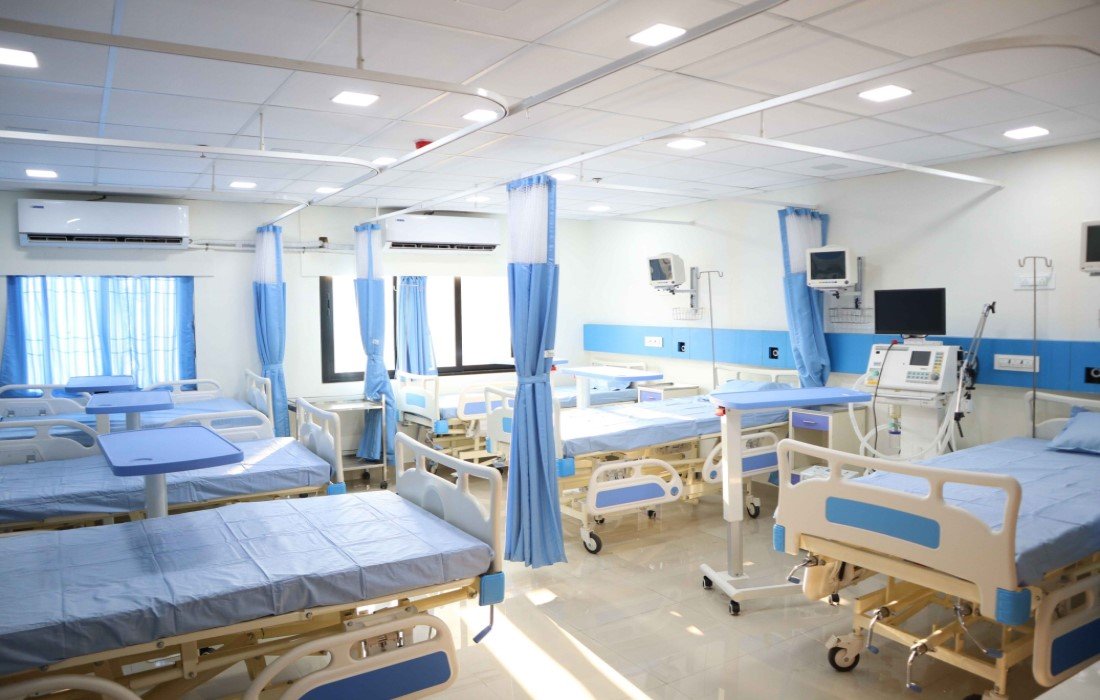
3. Low Rent Often Comes With Hidden Costs
Cheap rental properties usually mean:
- Poor fire & health compliance
- Structural limitations
- No expansion possibility
- Parking and access issues
- Approval delays
Doctors then spend:
- More on retrofitting
- More time in follow-ups
- More money fixing design mistakes
A compliant, hospital-ready property at a reasonable rent is cheaper in the long run.
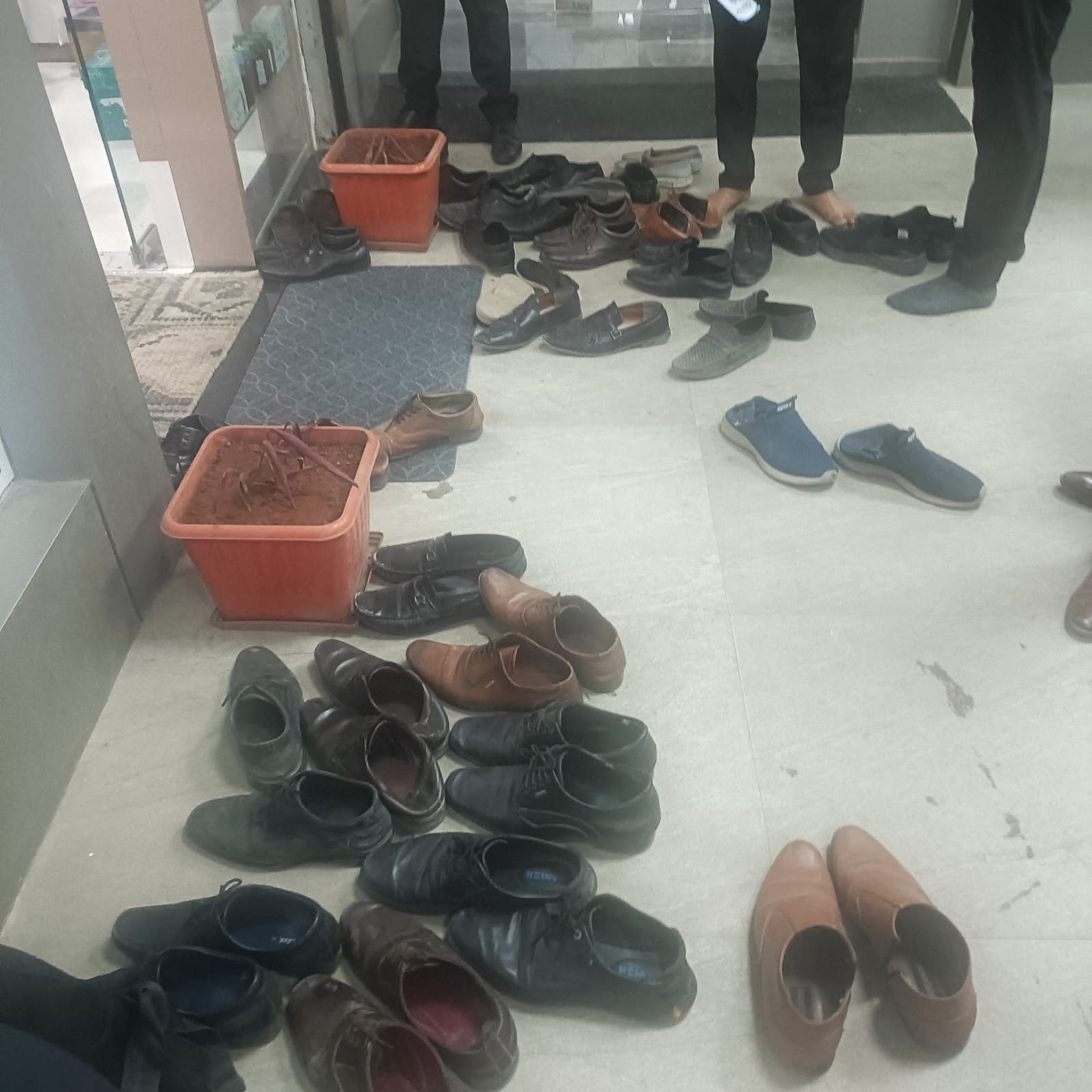
A normal scenes at the entrance of a poorly designed clinics
The Dangerous “Lowest Rent” Trap
Many doctors say:
“Patients come for the doctor, not the building.”
This was true 15 years ago.
It is no longer true today.
Modern patients judge hospitals on:
- Cleanliness & space
- Waiting comfort
- Privacy
- Accessibility
- Infrastructure confidence
Insurance companies, corporates, and NABH assess your facility first, doctor second.
A poorly planned property limits:
- Bed count
- Empanelments
- Corporate referrals
- Brand trust
What Doctors Should Optimize Instead of Just Rent
Instead of asking “What’s the cheapest rent?”, ask:
- Does this property allow the right bed count?
- Can it support OT, ICU & future expansion?
- Will approvals be smooth or painful?
- Can rent be absorbed within 6–9% of projected revenue?
- Does this space help me grow in 3–5 years?
A slightly higher rent that supports growth is profitable rent.
Rent First, Buy Later: The Ideal Path
Best practice globally (and increasingly in India):
Phase 1: First 3–5 Years
- Take a well-located, compliant property on rent
- Focus on outcomes, operations, brand
- Stabilize cash flows
- Understand your true hospital model
Phase 2: After Stability
- Buy land or building
- Expand or shift to owned premises
- Convert rent pressure into EMI-backed asset
- Build long-term legacy infrastructure
Doctors who follow this path build sustainable hospitals, not stressed ones.
When Buying Early Can Make Sense (Rare but Possible)
Buying at the start may work if:
- You already own suitable land
- You are part of a financially strong group
- City has low property costs
- A professional management partner is involved
Even then, real estate must be evaluated like hospital infrastructure, not emotional ownership.
Final Thought for Medical Professionals
A hospital is not a clinic with beds.
It is a regulated business ecosystem.
Rent is not a loss.
Wrong real estate decisions are.
Doctors who succeed long-term do not chase the lowest rent.
They choose properties that support care, compliance, growth, and cash flow.
Trusted Healthcare Property Consultants in Pune
If you are a doctor or diagnostic clinic planning a new setup or expansion, expert guidance can save you time, money, and future complications.
Pune Rental is a trusted consultant for healthcare properties in Pune, assisting with:
- Clinic spaces
- Diagnostic centres
- Medical centres
- Healthcare-focused commercial properties
Call / WhatsApp: +91 9540907979
Email: punerental@gmail.com
Website: https://pune-rentals.com
Consult before you commit. The right clinic space can define your practice for years.



Join The Discussion